Pilot Apprenticeships Could Help Address Aviation Skills Shortage, Says BALPA
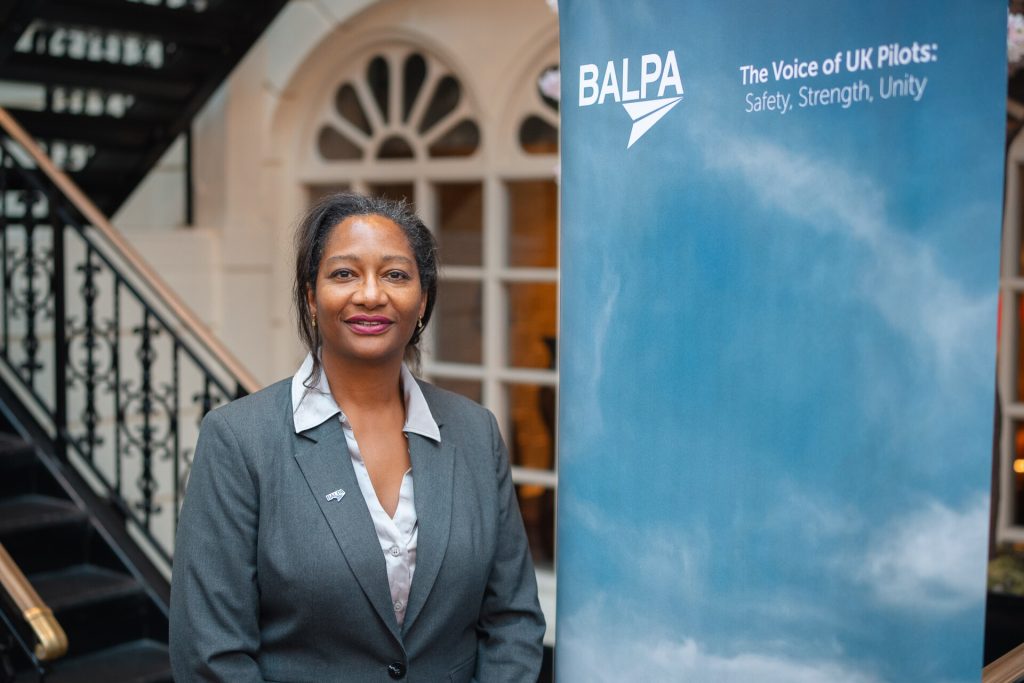
The British Airline Pilots’ Association (BALPA) has called on the Government to revive the threatened pilot apprenticeship scheme, arguing that recommendations from the Milburn Review offer an opportunity to widen access to aviation careers and address future workforce shortages.
The union, which represents more than 10,000 pilots across the UK, has welcomed the review’s recommendation to double apprenticeship numbers over the next decade.
However, it believes the Government should ensure that any expansion includes specialist, high-skilled professions such as commercial aviation, where the cost of training can create significant barriers for young people.
BALPA says an expanded pilot apprenticeship route could help attract talented candidates from a wider range of socioeconomic backgrounds while supporting the aviation industry’s future recruitment needs.
Making Pilot Careers More Accessible
Training to become a commercial airline pilot can involve substantial financial commitments, with aspiring pilots often facing significant costs before securing their first professional flying position.
These financial barriers can make the profession difficult to enter for young people who have the necessary aptitude but lack access to funding.
BALPA has consistently argued that apprenticeships could help address this imbalance by creating a more affordable route into the flight deck.
Zohra Francis, Acting General Secretary of BALPA, said:
“BALPA has long advocated for apprenticeships as a way to ensure that young people with the required talent and aptitude have an affordable pathway to the flight deck. We therefore welcome the Milburn Review’s recommendation to double the number of apprenticeships over the coming decade, and we see this as the perfect opportunity to revive the pilot apprenticeship scheme which is currently under threat of closure.
The union’s intervention highlights the importance of ensuring that apprenticeship opportunities extend beyond traditional vocational pathways and provide access to professions that have historically required substantial personal investment.
Pilot Retirements and Airport Expansion Could Increase Demand
BALPA has also raised concerns about the future supply of qualified airline pilots as the UK aviation industry prepares for retirements and potential growth in airport capacity.
According to the union, the Government has already acknowledged that approximately 1,300 qualified airline pilots are expected to reach retirement age over the next five years.
Alongside these departures, airport expansion could create additional demand for skilled aviation professionals.
Francis continued:
The government have already acknowledged that around 1300 qualified airline pilots will reach retirement age in the next five years, while airport expansion will inevitably add to the demand. It is therefore vital that the government plays an active role in creating a greater pipeline of future pilots.
Although the scale of future recruitment requirements will depend on airline growth, passenger demand and wider industry conditions, the union believes action is needed to ensure a sustainable pipeline of qualified pilots.
Pilot training also requires considerable time and specialist instruction, making long-term workforce planning particularly important.
For employers, a more accessible training pathway could help broaden the pool of potential recruits and reduce reliance on candidates who can independently finance their qualifications.
Apprenticeships Could Support Social Mobility
Beyond workforce planning, BALPA believes a revived pilot apprenticeship scheme could demonstrate how apprenticeships can improve social mobility.
The union argues that creating more affordable routes into highly skilled careers would help ensure that professional opportunities are determined by talent and aptitude rather than financial circumstances.
Francis said:
An expanded apprenticeship route offers a potential solution, opening a high-skilled profession up to young people of all backgrounds from across the country. It would also serve as a statement of intent from the government that any new apprenticeship drive is different from previous iterations by giving young people a new career to aspire towards.
The comments come amid wider debate about how apprenticeship programmes can meet employers’ skills requirements while providing meaningful career opportunities for young people.
For the aviation sector, expanding access could also help employers reach potential recruits who might otherwise dismiss a flying career as financially unattainable.
However, delivering such a programme would require consideration of training costs, employer participation, funding arrangements and the specialist qualifications needed to operate commercial aircraft.
Union Offers to Work With Government
BALPA has indicated that it is willing to work with ministers and other stakeholders to identify the changes necessary to make pilot apprenticeships viable.
The union wants the Government to use the recommendations of the Milburn Review as a starting point for developing a more ambitious approach to high-skilled apprenticeship provision.
Francis concluded:
If the government wants to create a flagship apprenticeship for Britain’s young people, then BALPA is ready to help work out what changes are needed to get pilot apprenticeships off the ground and young people into the skies.”
The call places aviation training within the wider discussion about the future of apprenticeships, skills development and access to professional careers.
For airlines and the wider aviation industry, a successful apprenticeship pathway could provide an additional recruitment option while helping to develop the next generation of pilots.
The Government has not announced any changes to pilot apprenticeship provision in the material supplied by BALPA.
Nevertheless, the union believes the Milburn Review’s recommendations offer an opportunity to reconsider the future of the scheme before it is lost.
With aviation employers facing longer-term workforce planning challenges, BALPA is urging policymakers to ensure that pilot training forms part of the conversation about expanding apprenticeship opportunities across the UK.
About BALPA
The British Airline Pilots’ Association is the trade union and professional association representing pilots in the UK. It has more than 10,000 members and campaigns on issues including aviation safety, employment conditions, professional standards and access to pilot training.
Further Information
British Airline Pilots’ Association: https://www.balpa.org/