Dream Adventure Destinations: Climbing Mount Kilimanjaro
The Ultimate Adventure
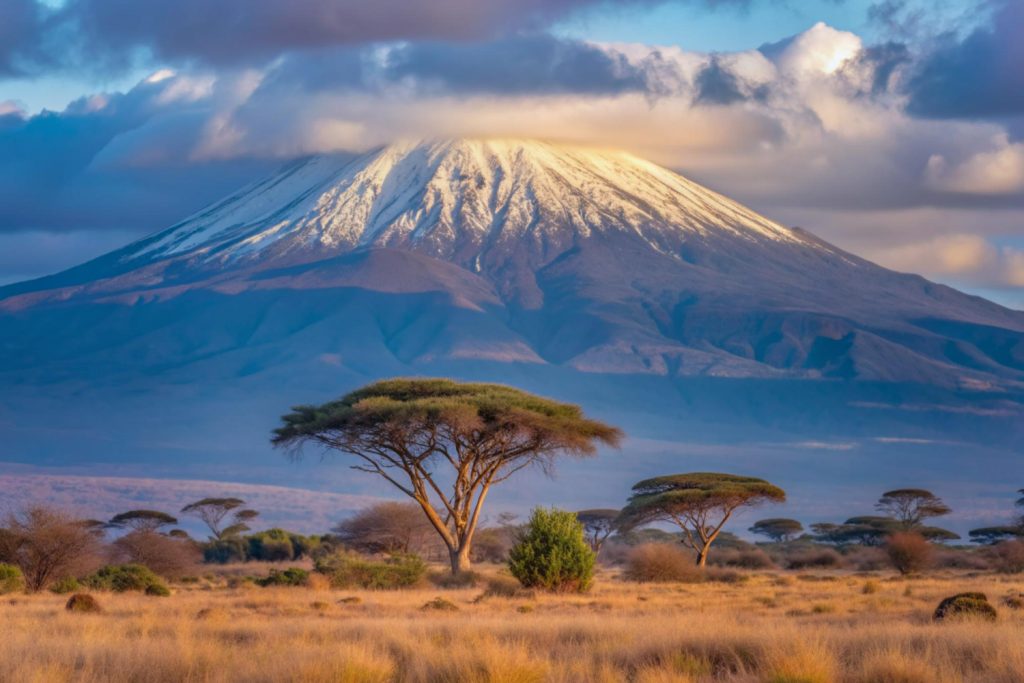
Mount Kilimanjaro, standing tall at 19,341 feet (5,895 meters), is Africa’s highest peak and one of the most iconic mountains in the world. For adventurers and climbers, summiting Kilimanjaro represents the pinnacle of challenge and achievement. With its breathtaking landscapes, diverse ecosystems, and cultural significance, a journey to the “Roof of Africa” is an experience like no other.
The Routes to the Summit
Kilimanjaro offers several routes to the summit, each with its unique characteristics and level of difficulty. Here are the most popular ones:
Marangu Route
Often referred to as the “Coca-Cola Route,” the Marangu Route is the most established and popular path. It is the only route that offers hut accommodations, making it a favored choice for those seeking a more comfortable trekking experience. The trail is well-defined and considered one of the easier routes, although the ascent is steep in some sections.
Machame Route
The Machame Route, known as the “Whiskey Route,” is renowned for its stunning scenery and diverse landscapes. It is more challenging than the Marangu Route due to its steeper inclines and longer distances. However, the breathtaking views of the Shira Plateau and the Barranco Wall make it a highly rewarding trek.
Lemosho Route
For those seeking a more remote and less crowded experience, the Lemosho Route is an excellent choice. This route approaches Kilimanjaro from the west and offers a longer trek, providing better acclimatization opportunities. The Lemosho Route traverses through lush rainforests and pristine wilderness, offering some of the best vistas on the mountain.
Rongai Route
The Rongai Route is the only trail that approaches Kilimanjaro from the north, near the Kenyan border. It is less frequented than other routes, making it ideal for those seeking solitude. The Rongai Route is considered moderately difficult, with gentler slopes and diverse landscapes, including alpine desert and lush forests.
The Climb: What to Expect
Physical Preparation
Climbing Kilimanjaro requires a good level of physical fitness. Training should focus on building endurance, strength, and cardiovascular fitness. Long hikes, stair climbing, and aerobic exercises are essential to prepare your body for the demands of the trek.
Altitude and Acclimatization
Altitude sickness is a significant concern when climbing Kilimanjaro. Proper acclimatization is crucial to minimize the risks. Most routes are designed to allow gradual ascent, giving your body time to adjust to the higher altitudes. It’s essential to listen to your body, stay hydrated, and take it slow to increase your chances of reaching the summit.
Weather Conditions
The weather on Kilimanjaro can be unpredictable and varies greatly depending on the altitude and time of year. Climbers should be prepared for extreme cold, strong winds, and even rain or snow. Packing appropriate gear, including thermal clothing, a good quality sleeping bag, and waterproof layers, is essential for a successful climb.
The Summit: A Reward Like No Other
Reaching the summit of Mount Kilimanjaro is a moment of triumph and awe. The final push to Uhuru Peak typically begins at midnight, allowing climbers to reach the summit at sunrise. As the sun rises over the African continent, the panoramic views are nothing short of spectacular. The sense of accomplishment and the breathtaking beauty of the landscape make the challenging journey worthwhile.
Cultural and Natural Wonders
Kilimanjaro is not just a physical challenge; it is also a journey through diverse ecosystems and cultures. The mountain is home to various plant and animal species, including the unique giant groundsels and the elusive Kilimanjaro leopard. Climbers also have the opportunity to interact with the local Chagga people, learning about their traditions and way of life.
Conclusion
Climbing Mount Kilimanjaro is a dream adventure destination for those seeking a blend of physical challenge, natural beauty, and cultural immersion. Whether you choose the popular Marangu Route or the remote Lemosho Route, the journey to the “Roof of Africa” promises an unforgettable experience. With proper preparation, determination, and respect for the mountain, reaching the summit of Kilimanjaro is an achievement that will stay with you forever.