Chasing Your Dreams – How to Climb Everest in 2025
Lisa Baker September 18, 2024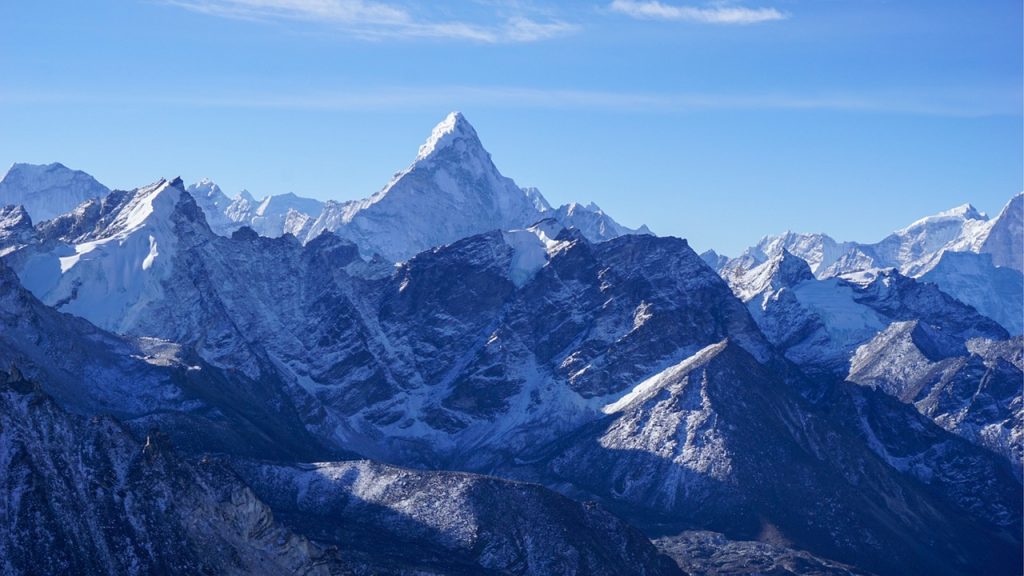
Mount Everest has captured the imaginations of adventurers, climbers, and dreamers for decades. Standing at 8,848.86 meters (29,031.7 feet), the world’s highest peak is a symbol of human endurance and the ultimate mountaineering challenge. Climbing Everest in 2025 requires extensive preparation, a clear plan, and an understanding of the mountain’s unique demands. In this guide, we’ll cover everything you need to know to chase your dreams and successfully climb Everest.
1. Prepare Mentally and Physically
Climbing Everest is as much a mental challenge as it is physical. You’ll need months, if not years, of training to build the strength and endurance required to tackle the altitude and severe conditions.
Physical Conditioning
- Cardiovascular Fitness: Focus on aerobic conditioning through running, cycling, or swimming. The thin air at higher altitudes requires an efficient cardiovascular system.
- Strength Training: Build muscle in your legs, core, and upper body to carry heavy loads up steep inclines. You’ll need to be comfortable walking with a 40-50 lb backpack.
- Endurance: Practice hiking and mountaineering in various conditions. Aim to do long treks with a significant vertical gain over consecutive days.
Mental Toughness
- Everest demands the ability to stay calm under pressure. The journey is grueling, with extreme cold, isolation, and exhaustion all playing a role. Practice mindfulness, meditation, or visualization techniques to manage stress and stay focused.
2. Get the Right Mountaineering Experience
Everest is not a beginner’s mountain. Most climbers have years of experience in high-altitude environments. Here are some mountains to climb before attempting Everest:
- Mount Kilimanjaro (5,895m): Great for testing your ability to handle altitude without technical climbing.
- Aconcagua (6,961m): Another non-technical climb that will push your endurance and altitude acclimatization.
- Denali (6,190m): Provides challenging weather conditions and requires glacier travel skills.
- Cho Oyu (8,188m): Considered a “practice” 8,000-meter peak, this is an ideal test of your high-altitude climbing readiness.
By the time you set foot on Everest, you should have scaled several mountains that prepare you for extreme cold, thin air, and the mental challenges of prolonged ascents.
3. Acclimatize Properly
Acclimatization is the process of allowing your body to adjust to the lack of oxygen at high altitudes. Without proper acclimatization, you risk altitude sickness, which can be life-threatening.
When climbing Everest, most expeditions follow the “climb high, sleep low” approach. Climbers will make multiple trips up to higher camps and return to lower altitudes to rest. This step-by-step approach helps the body adapt to the decreasing oxygen levels and prepares you for the final summit push.
Here’s what a typical acclimatization schedule looks like on Everest:
- Base Camp (5,364m): Spend a few days resting and doing short hikes.
- Camp 1 (6,065m): Climb to Camp 1, stay for a night or two, and then return to Base Camp.
- Camp 2 (6,400m): Repeat this process to Camp 2 and back.
- Camp 3 (7,200m): Climb to Camp 3 for a short stay, then descend to Camp 2 or Base Camp to recover.
- Camp 4 (7,920m): This is the final stop before the summit attempt. After resting here, you’ll start your summit push.
4. Select the Right Expedition Team
In 2025, several reputable expedition companies will offer guided climbs of Everest. Choosing the right one is essential for your safety and success. Some factors to consider when selecting a team include:
- Reputation: Look for companies with a solid history of successful Everest summits and strong safety records.
- Guide Experience: Your lead guide should have multiple Everest summits under their belt, along with expert knowledge of high-altitude climbing.
- Support Services: A good expedition will provide ample Sherpa support, oxygen supplies, medical care, and well-organized logistics. Having an experienced team that manages all the details, from equipment transport to food preparation, is critical.
- Group Size: Smaller groups generally receive more personalized attention from guides and support staff.
5. Budget for Everest
Climbing Everest is an expensive endeavor. In 2025, the average cost for a guided expedition ranges from $35,000 to $100,000 depending on the level of support, logistics, and luxury you want. Here are some key expenses to consider:
- Permit Fees: Nepal charges $11,000 per climber for a summit permit.
- Expedition Costs: This includes guides, Sherpa support, oxygen, food, and accommodations. Expect this to cost $30,000 to $80,000.
- Gear and Equipment: High-quality gear can cost up to $10,000. This includes insulated clothing, mountaineering boots, gloves, and a sleeping system that can handle subzero temperatures.
- Travel and Insurance: Flights to Nepal, transportation to Base Camp, and comprehensive travel insurance (which covers high-altitude rescue) add another $5,000 to $10,000.
6. Climbing Gear Essentials
Success on Everest depends heavily on your equipment. Proper gear ensures your safety and comfort in the harsh environment. Here’s a list of the essential gear you’ll need:
- Mountaineering Boots: Double-layer boots for high-altitude climbing (e.g., La Sportiva Olympus Mons).
- Down Suit: An 8,000-meter down suit to keep you warm in extreme cold.
- Crampons and Ice Axe: Essential for traversing ice and snow fields.
- Helmet and Harness: For protecting your head and securing yourself during the climb.
- Gloves and Mittens: Layered gloves with mittens for the summit push to prevent frostbite.
- Oxygen System: Most climbers use supplemental oxygen above 7,000 meters to help with breathing and energy levels.
7. Understand the Climbing Seasons
The two main climbing seasons for Everest are pre-monsoon (April to May) and post-monsoon (September to October). The pre-monsoon period is the most popular because of more stable weather, and 2025 will likely follow the same trend. Be prepared to spend 6-8 weeks in Nepal during your expedition, with much of the time spent acclimatizing and waiting for weather windows.
8. Summit Day – The Final Push
Summit day is the culmination of all your preparation, and it is the most dangerous and grueling part of the climb. You’ll likely start in the early hours of the morning, climbing in the dark with headlamps. The climb from Camp 4 to the summit involves crossing the South Col and negotiating the Hillary Step, a 12-meter rock wall just before the summit.
Reaching the top is a moment of triumph, but it’s only halfway. Many climbers face extreme fatigue and risk on the descent. Staying focused, hydrated, and ensuring you have enough oxygen is critical to making it back safely.
Conclusion
Climbing Everest in 2025 is a monumental achievement that requires intense preparation, both physically and mentally. From choosing the right expedition to fine-tuning your skills, your journey to the top of the world will be filled with challenges and triumphs. With the right mindset, training, and support, you can turn your dream of standing on the world’s highest peak into a reality. Now is the time to start planning and preparing, so you can chase your dreams and conquer Everest.
Image: Photo by anuppanthi on Pixabay