Skip the crowds: 7 lesser-known UNESCO sites worth travelling for
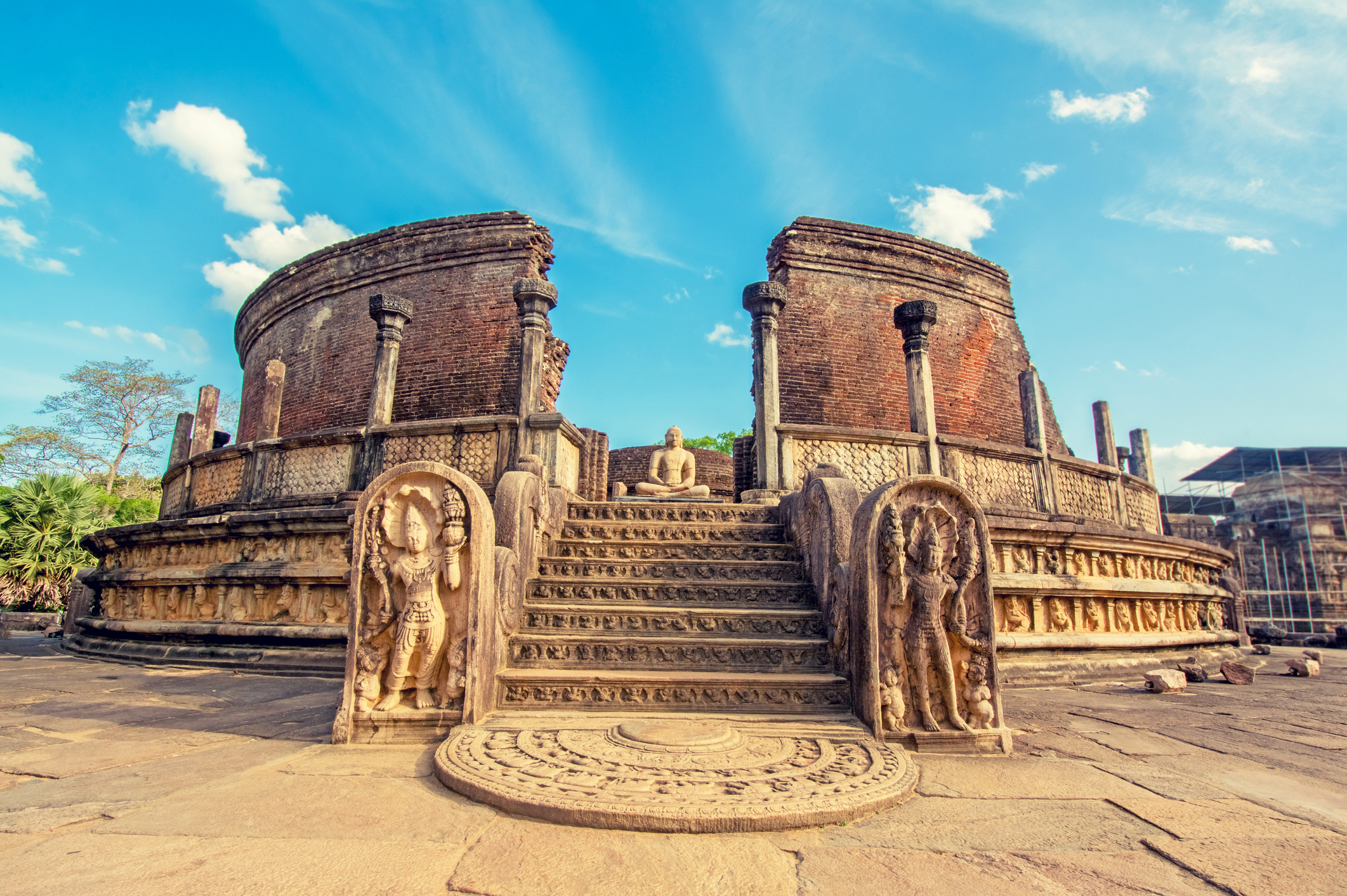
In light of this year’s recent World Heritage Day, Pettitts Travel highlights lesser-known UNESCO sites that reward adventurous travellers.
For traveller seeking beyond the obvious, a quieter side of the UNESCO World Heritage list remains, offering rich, historic, and diverse experiences for any explorer.
#1. Iwami Ginzan Silver Mine, Japan
Swap tourist crowds for forest trails and forgotten industry.
While UNESCO sites draw many cultural travellers to Japan, Iwami Ginzan offers the rare chance to explore an ancient silver mine preserved in the dense forests of the mountains.
Built in the 16th century, this is the most infamous silver mine in Japan’s history. It was operational for nearly 400 years, a decisive factor in Iwami Ginzan’s designation as a World Heritage site, as the mine operated in an expansive natural environment for the entire period.
Omori Town, in the same area, also features museums, historical residences, shrines, and temples.
*Images courtesy of Pettitts Travel
#2. Matera, Italy
Swap Rome for one of Europe’s oldest living cities.
Matera, often overlooked in favour of Italy’s headline cities, teems with stunning scenery and unique architecture, and has captivated artists such as Carlo Levi and Giovanni Pascoli.
A must-see is the UNESCO World Heritage Site, the Sassi di Matera (Stones of Matera).
This ancient settlement, built into volcanic tuff rock lining the Gravina valley, features winding alleys, caves, gardens, terraces, and tunnels, forming a unique architectural complex.
#3. Khiva, Uzbekistan
Swap crowded cities for Silk Road stillness.
Khiva’s nearly 3,000-year history fascinates archaeologists, while legend claims it was founded by Shem, son of Noah. This might explain why this walled city in western Uzbekistan is shaped like an ark.
Itchan Kala—the inner city—was the first place in Central Asia to become a UNESCO World Heritage Site.
Encased by mud ramparts, the old town is a maze of twisting streets, turquoise minarets, and courtyards where daily life and history merge.
#4. Punakha Dzong, Bhutan
Swap bucket-list hotspots for mindful travel.
One of Bhutan’s most beautiful monasteries, Punakha Dzong, overlooks the confluence of the Pho Chhu and Mo Chhu rivers.
A masterpiece of Bhutanese architecture, this ‘Palace of Great Happiness’ remains central to Bhutan’s cultural and spiritual identity.
#5. Hampi, India
Swap India’s busiest cities for a lost empire.
A UNESCO World Heritage site, the ancient village of Hampi in the south Indian state of Karnataka once served as the capital of the Vijayanagara Empire, one of the largest kingdoms of India.
Vijaya Vitthala Temple is a vast 15th-century complex and a testament to Vijayanagara architecture. Dedicated to Lord Vitthala, an incarnation of Lord Vishnu, the temple is considered the area’s largest historic structure.
#6. Vat Phou, Laos
Swap Southeast Asia’s hotspots for stillness
Set against a glorious mountain backdrop, Vat Phou offers a deeply special experience.
The site’s quiet setting and slower pace make it ideal for travellers looking to connect with history without the intensity of more popular temple complexes.
It is located in the Champasak region, which is worth exploring for its French colonial vestiges, growing coffee highlands, well-marked nature trails, and tranquil Mekong views.