Why September Could Be the Smartest Time to See the Northern Lights
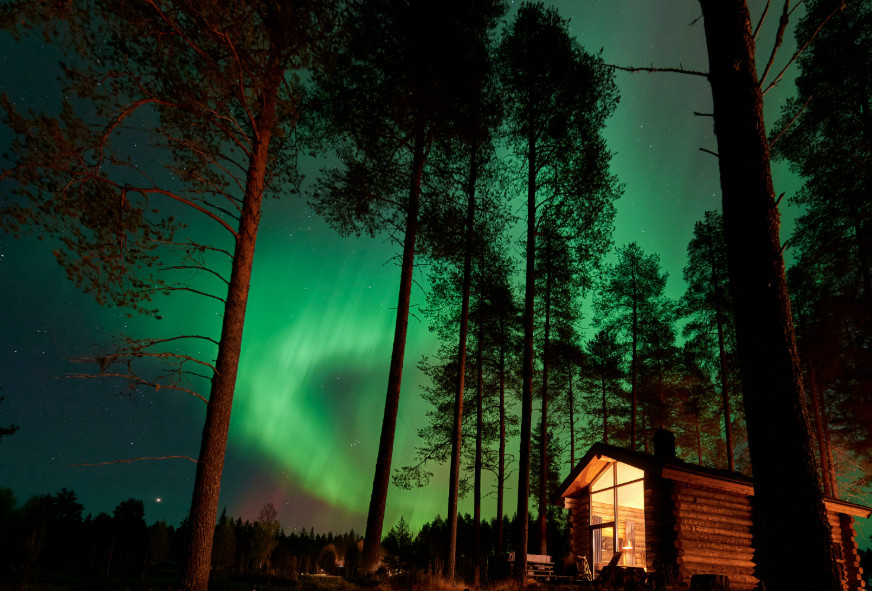
For many travellers, seeing the Northern Lights means wrapping up against sub-zero temperatures and heading into the Arctic wilderness during the darkest depths of winter. But aurora specialists say there is another option – and September could be one of the most rewarding times to go.
The 2026/27 aurora season is now beginning, with Northern Lights specialists Off The Map Travel and Aurora Nights highlighting September through to March as the key period for travellers hoping to experience the Aurora Borealis.
Specialising in tailor-made travel across the Nordic countries, the operators create holidays specifically designed around maximising guests’ opportunities to see the Northern Lights.
And while snowy midwinter landscapes may dominate the brochures, travelling earlier in the season has some compelling advantages.
Northern Lights Without the Deep-Winter Cold
By September, dark skies have returned to northern destinations and aurora activity is already under way. However, visitors can potentially enjoy much milder conditions than those encountered during the depths of the Arctic winter.
That can mean more comfortable evenings spent outdoors waiting for the lights to appear, while the autumn landscape provides a very different setting from the snow-covered scenery normally associated with Northern Lights holidays.
It could be particularly attractive for travellers who have always wanted to see the aurora but have been put off by the prospect of extreme winter temperatures.
September also offers the opportunity to experience destinations as they transition from autumn towards winter, creating a different style of Arctic adventure.
Technology Joins the Northern Lights Hunt
Modern aurora hunting is becoming increasingly sophisticated, with travellers no longer having to rely entirely on looking outside and hoping for the best.
One of the tools being used by Off The Map Travel and Aurora Nights is Aurora Buddy, an innovative forecasting app created by founder and Northern Lights specialist Jonny Cooper, known as “Mr Northern Lights”.
The Aurora Buddy App helps travellers understand where and when conditions are looking most promising, using specialist real-time data rather than simply relying on a generic forecast.
Combined with expert local knowledge, carefully selected locations and partners on the ground, the technology is intended to help travellers make better-informed decisions about when and where to go aurora hunting.
Of course, the Northern Lights remain a natural phenomenon and sightings can never be guaranteed. Cloud cover, local weather and solar activity can all determine whether travellers get the display they have travelled to see.
Northern Lights Holidays Are Becoming Adventures in Their Own Right
The evolution of aurora tourism also means a Northern Lights holiday no longer has to revolve solely around waiting for darkness.
Off The Map Travel and Aurora Nights offer itineraries incorporating remote wilderness cabins, glass-roofed hideaways, dog sledding, Arctic dining, snowmobiling and expert-led aurora hunts.
The result is a holiday where seeing the Northern Lights may be the headline attraction, but the wider Arctic experience becomes an important part of the trip.
Glass-roofed accommodation can allow guests to watch the night sky without spending hours outside, while wilderness cabins offer the opportunity to escape artificial light and experience some of the Nordic region’s more remote landscapes.
Dog sledding and snowmobiling add an adventure element once winter conditions arrive, while Arctic food experiences provide another way for visitors to connect with the destinations they are visiting.
When Is the Best Time to See the Northern Lights?
There is no single perfect date for seeing the Aurora Borealis. Travellers need sufficiently dark skies, suitable solar activity, clear weather and a location away from excessive artificial light.
According to Off The Map Travel and Aurora Nights, the key season runs from September to March.
For those who automatically assume January or February will offer the best experience, however, the operators suggest considering the shoulder months too.
September combines the return of dark nights with autumn scenery and potentially more comfortable temperatures, while later in the season travellers can experience the classic snow-covered Arctic landscapes associated with Northern Lights adventures.
Ultimately, the best choice may depend as much on the type of holiday a traveller wants as the aurora itself.
For those hoping to tick one of nature’s greatest spectacles off their bucket list, the message for the new season is simple: you don’t necessarily need to wait for winter – the Northern Lights adventure can begin in September.