One Italian Train Route Connects Travellers With Seven UNESCO World Heritage Sites
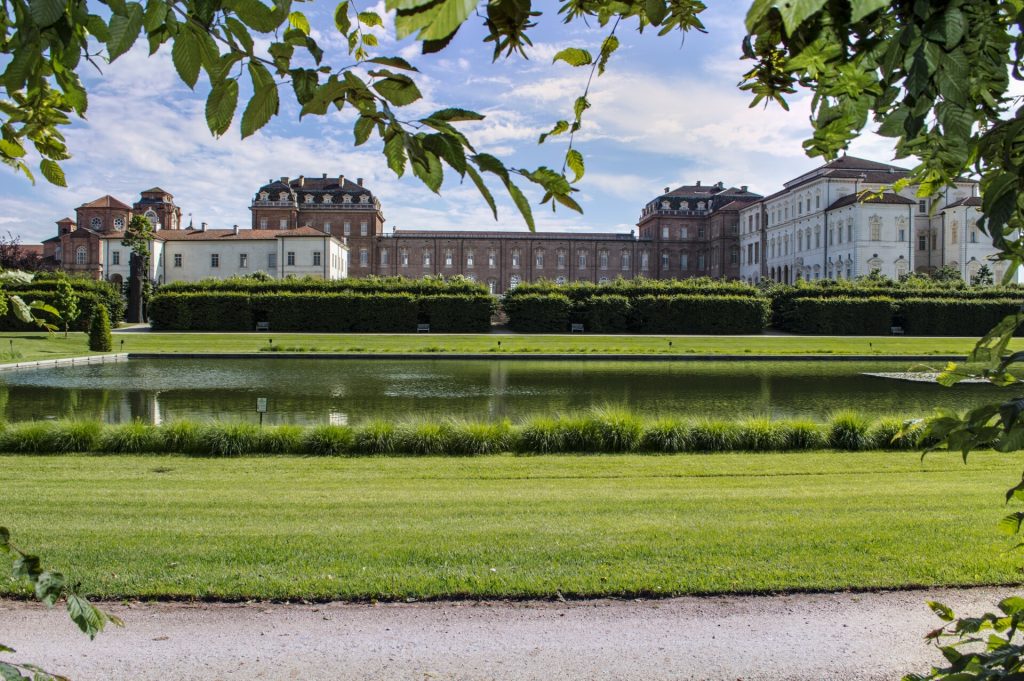
Image source: Wikipedia (shared under c.c. 2.0)
Travellers looking to combine an Italian rail adventure with some of Europe’s greatest cultural treasures may want to take note of one particular train running across the north of the country.
New analysis by Firebird Tours has identified a direct service between Turin and Trieste that stops within five kilometres of seven UNESCO World Heritage properties – potentially making it an intriguing starting point for a multi-city Italian holiday.
The Frecciarossa 9759 travels from Torino Porta Nuova to Trieste Centrale, calling at cities including Milan, Brescia, Verona, Vicenza and Padua along the way.
According to research by Firebird Tours, the evening service leaves Turin at 18:35 and reaches Trieste at 23:45, completing the journey in just over five hours without requiring passengers to change trains.
Researchers compared the train’s scheduled stops with locations included on UNESCO’s World Heritage List and identified seven properties where at least part of the officially recognised site lies within five kilometres of a station.
And for travellers prepared to turn the journey into a longer rail holiday, the route provides access to an impressive mix of royal palaces, Renaissance art, Roman history, architecture and historic gardens.
Seven UNESCO Sites Along One Rail Route
The journey begins at Torino Porta Nuova, where the Residences of the Royal House of Savoy are approximately 1.5km from the station.
Inscribed on UNESCO’s World Heritage List in 1997, the wider property comprises a collection of palaces and villas associated with the House of Savoy.
From Turin, the train heads towards Milan.
Milano Porta Garibaldi puts passengers approximately 2.5km from the Church and Dominican Convent of Santa Maria delle Grazie, home to Leonardo da Vinci’s The Last Supper.
The route then continues to Brescia, where the UNESCO-listed Longobards in Italy: Places of the Power property has a component approximately 1.3km from the station.
Verona And Vicenza Add To The Cultural Journey
Verona provides another major attraction.
The boundary of UNESCO’s City of Verona property comes to within approximately one kilometre of Verona Porta Nuova station.
The city earned World Heritage status in 2000 and combines surviving elements of its Roman past with medieval and Renaissance architecture.
Vicenza provides another potential stop for architecture enthusiasts.
Part of the City of Vicenza and the Palladian Villas of the Veneto World Heritage property is within approximately one kilometre of the railway station.
The city is particularly associated with Renaissance architect Andrea Palladio, whose influence would eventually spread far beyond Italy.
Padua Offers Two UNESCO World Heritage Properties
Padua is particularly notable because it contributes two separate UNESCO properties to the route.
The first is Padua’s fourteenth-century fresco cycles, whose nearest component is approximately 0.7km from Padova station.
The UNESCO property comprises eight groups of religious and secular buildings and includes the Scrovegni Chapel, famous for its extraordinary frescoes by Giotto.
The city’s second qualifying attraction is its historic Botanical Garden, approximately two kilometres from the station.
Founded in 1545, the Orto Botanico di Padova is recognised as the world’s oldest surviving university botanical garden and has held UNESCO World Heritage status since 1997.
Together, the two properties mean Padua alone accounts for two of the seven World Heritage listings identified along the rail route.
Could Venice Make It Eight?
There could potentially be another UNESCO connection before passengers reach Trieste.
Frecciarossa 9759 also calls at Venezia Mestre.
Firebird Tours’ analysis suggests that part of the enormous Venice and its Lagoon World Heritage property could potentially fall within five kilometres of Mestre station.
However, it has not been included among the seven confirmed sites because the distance would need to be established precisely against UNESCO’s official boundary.
Travellers should also be aware that Venice’s most famous sights are not within a short walk of Venezia Mestre.
Landmarks such as Piazza San Marco are considerably further away, so the stop should not be interpreted as putting passengers immediately beside central Venice’s best-known attractions.
Turning The Train Into An Italian Rail Holiday
Perhaps the most important point for travellers is that this isn’t a sightseeing train from which all seven UNESCO attractions can simply be visited during a single five-hour journey.
Instead, the same direct rail service connects stations close to each of the seven recognised properties.
Anyone hoping to visit several of them would therefore need to get off, explore the destination and continue their journey on a later service.
That could actually make the discovery more useful for holiday planning.
Rather than treating Turin to Trieste as a single journey, travellers could potentially build a multi-stop itinerary through northern Italy, spending a night or two in selected cities before continuing east.
Turin could provide the starting point, followed by Milan for Leonardo’s The Last Supper, Verona for its historic centre, Vicenza for Palladian architecture and Padua for Giotto and its historic botanical garden.
Venice could then be incorporated before continuing towards Trieste.
The result could be a very different type of Italian holiday – one where the railway becomes the thread connecting centuries of European art, architecture and history.
Travellers considering the route should check current railway schedules before booking, as train timetables and stopping patterns can change.
The research was based on the August 2026 timetable for Frecciarossa 9759 and information from UNESCO, Trenitalia and Rete Ferroviaria Italiana.