This popular ‘summertime’ Caribbean tourist activity has hidden health risks, according to experts
Linda Aitchison May 11, 2026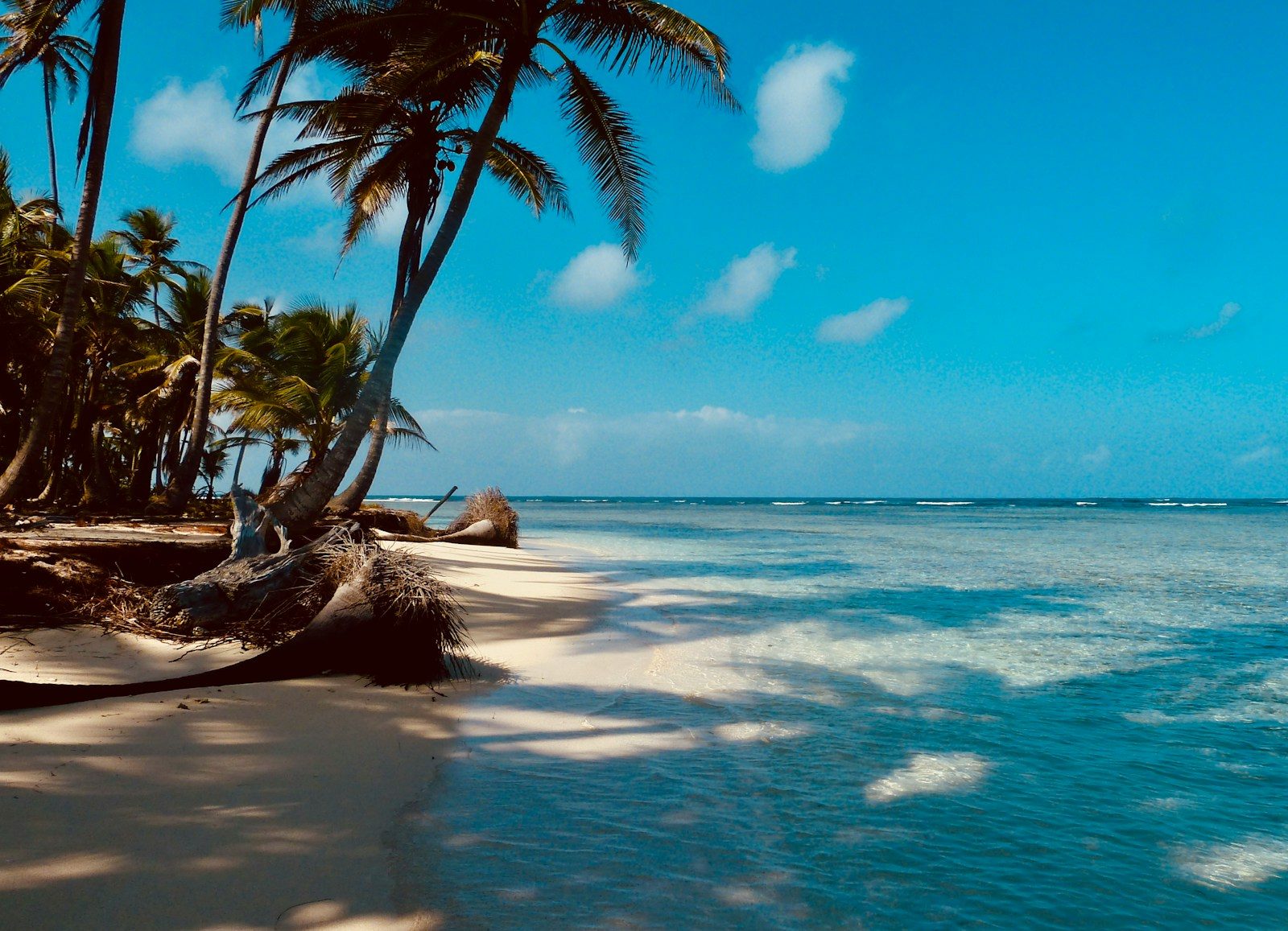
Crystal-clear waters, golden sands and a once-in-a-lifetime photo opportunity of you alongside the famous swimming pigs in the Bahamas. If this sounds like the perfect quirky excursion, you’re not alone – the iconic tourist activity has become a must-do for Brits cruising through the Caribbean.
But behind the idyllic image, experts are warning that the viral experience may carry hidden dangers, after an online Reddit thread claimed that a man contracted a flesh-eating infection after entering the water with a minor ankle cut.
Dr John Akinjolire, a medical expert at PayingTooMuch, says that the Bahamas’ warm, crystal-clear waters can sometimes hide an unseen danger.
He explains that these tropical seas can harbour harmful bacteria such as ‘Vibrio vulnificus’, which can enter the body through even the smallest cut or graze.
“These organisms occur naturally in warm, salty environments. Something as minor as a scratch, insect bite or healing wound can provide a pathway for infection. In very rare cases, this can lead to serious complications,” he says.
While incidents remain rare, experts also advise travellers to remember that these pigs are not domesticated pets but semi-wild animals living in a marine environment. Like many forms of wildlife tourism, close contact can carry inherent risks, including exposure to bacteria and unpredictable animal behaviour.
With sea temperatures on the rise and tourist numbers booming, Dr John warns that higher concentrations of bacteria in busy coastal hotspots are “not unusual”. While he stresses this is rarely a cause for alarm, travellers- particularly those with underlying health conditions or recent illnesses should take extra care.
He comments: “Severe infections like this case are largely uncommon, but you can always take sensible precautions before you travel abroad. This includes speaking to a GP about general travel health advice, ensuring routine vaccinations are up to date, and asking for more information around travel medications you may need in other countries.
It’s also imperative that you do not enter the sea with open cuts, grazes, or wounds, however small. When swimming with wildlife, you will invariably also be around their excrement. So, even minor abrasions can increase vulnerability to diseases, especially for those with weakened immune systems.”
Swimming with pigs has grown rapidly from a single attraction in the unhabituated island of Big Major Cay to five more sites scattered across the Caribbean islands, with thousands of visitors taking part each year.
Figures from Avanti Travel Insurance highlight just how popular Caribbean getaways have become. In 2025, travellers spent an average of 16 days in destinations such as Barbados, 33% longer than trips to Spain (12 days) and 45% longer than Greece (11 days).
With more visitors than ever adding unique wildlife experiences to their itineraries, it is more important than ever to balance bucket list moments with the right protection in your travel insurance.
Mark Barton, a cruise expert at Avanti Travel Insurance, warns that enthusiastic travellers should still exercise caution and not assume all excursions are automatically covered under their travel insurance policies.
“There is a common misconception that if you book a trip and get insurance through the cruise line, you are fully protected. In reality, many basic insurance policies provided by the cruise lines may not provide the required protection you need for the excursions you’ve booked with them, so never assume you’re covered.” he says.
Without proper cover this can leave passengers exposed to significantly high costs if they fall ill or are injured during an excursion and need medical treatment, particularly in regions like the Caribbean where healthcare systems and medical fees can vary widely between islands.
Mark stresses that specialist cruise insurance often provides more comprehensive protection, for things that go hand in hand with a cruise holiday including cover for emergency medical treatment and repatriation. It’s always best to tell your insurer about the excursions you want to participate in to ensure you’re properly covered.
“Medical care at sea can be extremely expensive. In rare cases, a bacterial infection can develop rapidly and require urgent treatment. Passengers may need to be airlifted from the ship to the nearest hospital, and those costs can escalate very quickly. That’s why it’s essential to protect yourself with a comprehensive cruise insurance policy,” he adds.
Animal tourism and wildlife encounters can be among the most memorable parts of a cruise trip, but the key is experiencing them responsibly. Visitors are advised to follow local guidance, avoid feeding or handling animals unnecessarily, and keep a safe distance where possible.