The airline packing rules that are catching out travellers
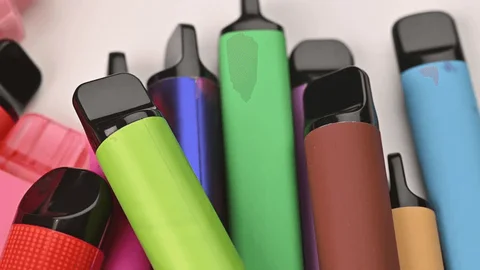
Recent data shows that lithium battery incidents on planes involving fire, smoke or extreme heat are at record levels. In 2025 alone there were 93 incidents recorded by the US FAA, with more than half involving power banks or vapes. So, while vapes and power banks account for some of the biggest fire risks on planes, the data suggests that many holidaymakers remain uncertain about the correct procedures for flying with these devices, causing delays and disruption at airports.
Here, Markus Lindblad, Head of External & Legal Affairs at Northerner, reveals everything vape users need to be aware of before jetting off!
Check airline rules!
Different airlines enforce their own restrictions regarding the maximum number of devices a passenger is allowed to carry. Vapes are considered electronic devices for packing regulations purposes, so it’s important to check the rules for each airline. Some little-known rules include:
- Jet 2: Customers are allowed to travel with e-cigarettes containing batteries (including e-cigars, e-pipes and other personal vaporisers), providing the battery remains installed in the equipment, the capacity of the battery doesn’t exceed 160Wh and they’re individually protected to prevent accidental activation, or short circuit.
- Easyjet: All electronic cigarettes and vaping devices must be carried in the cabin and the device must be completely switched off. A maximum of two spare batteries in carry-on baggage is permitted.
- Ryanair: All vape devices must be in hand luggage. You are allowed up to 15 electronic devices and up to 20 lithium batteries, each not exceeding 100Wh.
Pocket your power bank
While power banks are generally permitted on flights, they must be carried in hand luggage rather than checked baggage because of the fire risk posed by lithium-ion batteries. Many airlines also limit the size of power banks allowed in baggage, and some have introduced stricter rules on how they can be used and stored during flights. The UK Civil Aviation Authority has also published advice stating the passengers could be asked to store power banks in the seat pocket rather than in overhead lockers, so they can be monitored more easily.
Charging is prohibited!
Charging your electronic cigarettes or power bank mid-flight is strictly forbidden across all airlines. These items carry a significant risk of becoming too hot during the charging process, which increases the danger of a fire starting from the lithium battery.
What are the alternatives?
For those who feel they can’t do without nicotine during a flight, nicotine pouches, also commonly known as snus, are a fire-risk free alternative to vapes. They can be packed in carry-on or checked luggage, are discreet to use, and do not produce vapour, making them suitable for use while flying. While allowed on planes, some countries have different restrictions in place when you land, so taking a few moments to understand the country’s rules and packing correctly will ensure your journey gets off to a smooth start.