Winter Sun With a Difference: Discover La Palma’s Christmas Traditions, Almond Blossom and Colourful Carnival
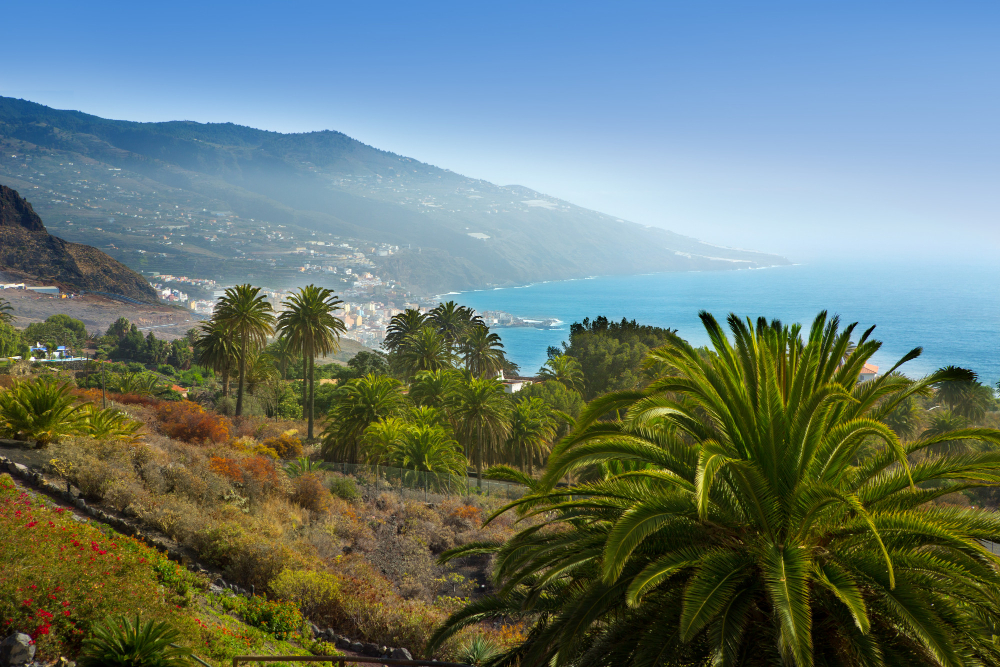
British holidaymakers looking for an alternative to the traditional winter sun break could find plenty to enjoy on the Canary Island of La Palma, where Christmas celebrations, spectacular natural landscapes and centuries-old traditions combine with pleasantly mild temperatures.
Around four and a half hours by air from the UK, La Palma offers a quieter alternative to some of the Canary Islands’ better-known holiday destinations, with a winter calendar packed with cultural celebrations, outdoor adventures and opportunities to experience authentic island life.
Known as La Isla Bonita, or ‘The Beautiful Island’, La Palma is also a designated Starlight Reserve, boasting some of Europe’s clearest night skies and offering exceptional opportunities for stargazing.
Escape the Cold With a Christmas Break in La Palma
While much of Britain experiences cold, dark winter days, December temperatures in La Palma typically range from the high teens to around 20°C, with sea temperatures hovering around 21°C and approximately five to six hours of sunshine each day.
The island’s mild winter climate makes it particularly appealing to travellers who enjoy exploring the outdoors rather than spending their entire holiday beside a swimming pool.
With the intense summer heat having eased, winter is an excellent time to explore the dramatic landscapes of the Caldera de Taburiente National Park, discover the island’s ancient laurel forests and enjoy its extensive network of walking trails.
However, it is La Palma’s distinctive festive traditions that make a winter visit particularly memorable.
Christmas Carols, Roasted Chestnuts and a Living Nativity
The island’s festive season traditionally begins in November, around St Martin’s Day on 11 November, when communities celebrate the opening of the new wine and enjoy freshly roasted chestnuts.
From the village of Tijarafe to communities across the island, the celebrations mark the beginning of a busy winter programme rooted in local customs.
During December, traditional carol-singing bands known as Los Divinos take to the streets at night, filling towns and villages with festive music.
The capital, Santa Cruz de La Palma, also embraces the Christmas spirit with festive illuminations. Last year’s Christmas lights switch-on attracted around 20,000 people.
One of the island’s most distinctive Christmas experiences takes place in the village of Garafía on 23 and 24 December, when residents stage a living nativity dressed in traditional clothing.
The free event offers visitors an opportunity to experience a much-loved community tradition, with celebrations concluding with a street party and Midnight Mass.
Celebrate the Arrival of the Three Kings in January
The festive celebrations continue well into the new year, making La Palma an attractive destination for travellers looking to escape Britain’s January weather.
On 5 January 2027, Santa Cruz de La Palma will host its traditional Three Kings Parade, one of the island’s most popular annual celebrations.
Colourful floats will make their way through the historic streets of the capital from the afternoon into the evening, bringing families, residents and visitors together ahead of Three Kings’ Day.
The free, family-friendly event offers an opportunity to experience one of Spain’s most important festive traditions, while exploring the capital’s historic architecture and atmospheric streets.
Discover La Palma’s Spectacular Almond Blossom
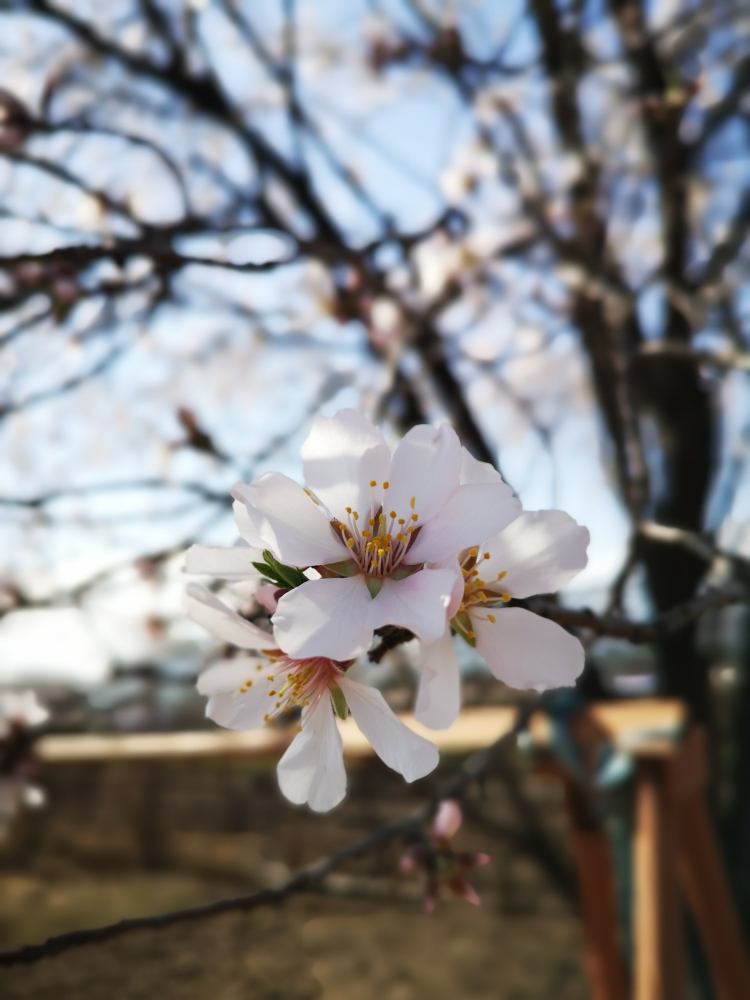
January also brings a transformation to the landscape around the village of Puntagorda, where almond trees burst into flower, covering the surrounding countryside in delicate shades of pink and white.
The village celebrates the arrival of the blossom with its annual Almond Blossom Festival, featuring exhibitions, live music and community celebrations.
The festival is particularly appealing to photographers, nature lovers and travellers seeking a more relaxed cultural experience away from the island’s larger towns.
It also offers an attractive option for solo travellers, with opportunities to explore the countryside, enjoy local festivities and experience the island at their own pace.
Clouds of Talcum Powder Take Over the Capital in February
Visitors travelling to La Palma in February can experience one of the Canary Islands’ most unusual and distinctive carnival celebrations.
On Carnival Monday, Santa Cruz de La Palma hosts Los Indianos, a celebration inspired by islanders who emigrated to the Americas and subsequently returned home.
Participants dress in white, while Cuban music fills the streets and enormous clouds of talcum powder transform the capital into a sea of white.
Around 70,000 people are expected to join the celebrations in 2027, making it one of the biggest events in La Palma’s winter calendar.
The festival reflects the island’s historic connections with Cuba and the Americas, offering visitors a carnival experience quite unlike anything found elsewhere in the Canary Islands.
Discover Some of Europe’s Clearest Night Skies
Beyond its winter celebrations, La Palma is internationally recognised for the quality of its night skies.
Its designation as a Starlight Reserve reflects the island’s commitment to protecting its skies from light pollution, making it an appealing destination for astronomy enthusiasts, photographers and anyone hoping to experience the natural beauty of a star-filled night.
Combined with volcanic landscapes, forest trails and traditional villages, stargazing adds another dimension to a winter holiday on the island.
Raquel Rebollo, Island Minister for Tourism at the Cabildo of La Palma, said:
“Winter is a special time to get to know La Palma. Visitors find mild days, traditions that our communities still live every year and a calm, truly authentic island, with night skies we are proud to protect.”
A Winter Sun Destination Beyond the Beach
For British travellers seeking more than a conventional beach holiday, La Palma offers an appealing combination of winter warmth, outdoor activities, cultural experiences and traditional celebrations.
From Christmas carols and living nativity scenes to flowering almond trees and one of Europe’s more unusual carnival celebrations, the island provides plenty of reasons to visit throughout December, January and February.
Whether travelling as a family, a couple or independently, visitors can enjoy a different side of the Canary Islands, where local traditions and remarkable natural landscapes are as much a part of the holiday experience as the winter sunshine.
For further information about visiting La Palma, including attractions, walking routes and upcoming events, visit:
Photography
Image credits: Magnific.com